403(b) vs. 401(k): Key Differences Explained
How a 403(b) and a 401(k) compare: who can sponsor each, the shared deferral limit, investments, testing, ERISA status, and how the 457(b) fits, with a government source for every row.


How a 403(b) and a 401(k) compare: who can sponsor each, the shared deferral limit, investments, testing, ERISA status, and how the 457(b) fits, with a government source for every row.
A 403(b) plan lets employees of public schools, 501(c)(3) organizations, and churches save for retirement through annuity contracts or mutual fund accounts. Here is how it works for the employer.
Which schedules attach to a Form 5500, who is exempt from filing it, what Form 8955-SSA covers, and what decides whether a plan needs an independent audit.

What a 401(k) third-party administrator does, how a TPA works with the recordkeeper and payroll provider, what stays with the employer and what the DOL suggests asking a provider.

A CP403, CP406 or CP283 is not necessarily an audit. Here is what each IRS and DOL retirement plan notice means, how the Form 5500 notice timeline runs and which relief stays open.

A ROBS plan holds stock in your company. Exiting means selling the business, redeeming the stock, distributing it in kind, or terminating the plan. Each route turns on a valuation.
ERISA section 412 requires anyone who handles plan funds to be bonded. What the bond covers, who has to have one, how the coverage amount is calculated, which plans are exempt, and where it appears on the Form 5500.

Setting up a cannabis 401(k) takes a week. Running it takes every payroll, every quarter, and every January. Here is what that involves.
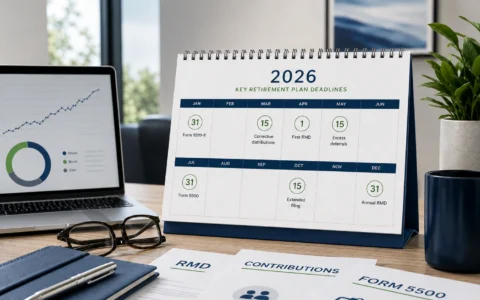
Required minimum distributions are due December 31, and April 1 applies only to the first one. The Form 5500 is due July 31. Here is the full calendar, and what happens when a date is missed.

How to find any company’s Form 5500 in the EFAST2 database for free, read what it reveals, and why some won’t show up.